

As the 2026 World Cup draws near, several teams are quietly preparing to challenge the established order. From European dark horses to Asian revelations and African surprises, these nations warrant close attention. Meanwhile, some heroic qualifiers may face the harsh realities of the tournament.
Norway, Cape Verde, and teams to watch
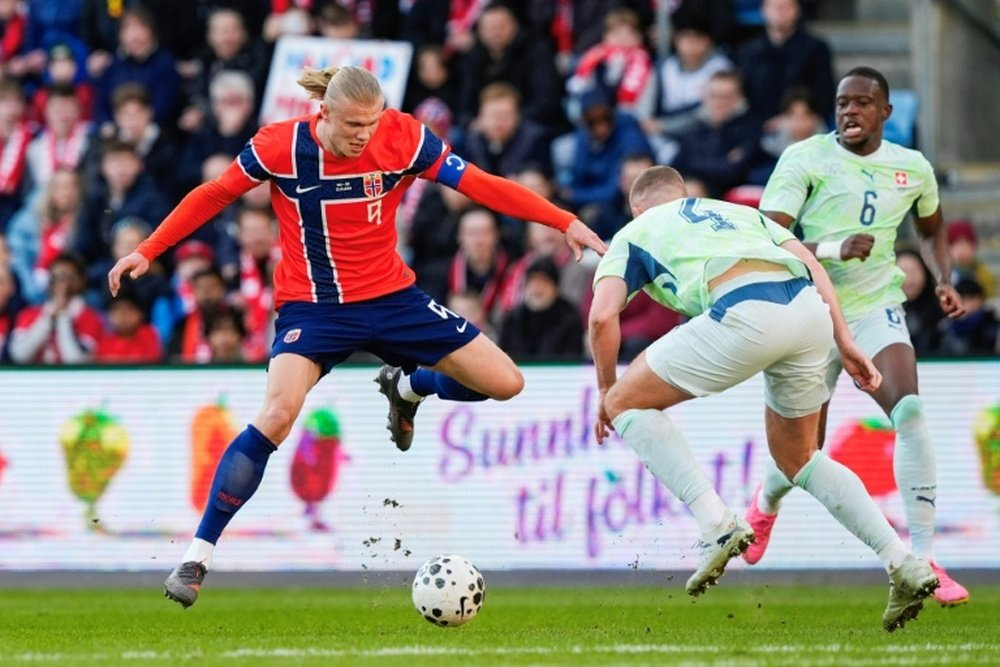
Norway emerges as one of the tournament’s most fascinating dark horses. With Erling Haaland, a prolific attacking force, and Martin Odegaard, Arsenal’s midfield orchestrator, they possess two game-changers capable of tilting the balance in their favour. Returning to the global stage after a lengthy absence, Norway’s golden generation is ready to compete with the elite. Despite being drawn into a challenging group alongside France and Senegal, their blend of physicality and technical flair makes them a team to watch closely.
Cape Verde, making their historic World Cup debut, exemplifies unity and discipline. By eliminating Cameroon, one of Africa’s seasoned World Cup participants, the Blue Sharks showcased their tactical maturity. While they lack standout stars, their compact defence and collective spirit could unsettle more experienced opponents. Cape Verde’s journey, though set against a tough group, has the potential to become one of the tournament’s most inspiring narratives.
Japan, no longer a surprise package, continues to be underestimated. In 2022, they stunned Germany and Spain, proving their ability to challenge football’s giants. Their high-tempo pressing, tactical discipline, and blistering pace make them a formidable force. With the experience of reaching the knockout stages, the Samurai Blue are poised to take another step forward. Their modern, European-inspired style remains a potent weapon capable of catching opponents off guard.
Croatia, finalists in 2018 and semi-finalists in 2022, remain paradoxically underrated. Their remarkable consistency in major tournaments is often overshadowed by the prestige of football’s traditional powerhouses. However, Modrić and the next generation have a proven ability to turn every campaign into an epic journey. Their composure in high-stakes knockout matches is a significant asset that could see them go deep once again.
Ecuador, Uzbekistan, and other teams to fear
Ecuador impressed during the South American qualifiers with their resilience and dynamism. Young, energetic, and tactically disciplined, this team combines physical intensity with creative attacking play. Having already upset favourites in the Copa America, Ecuador’s confidence and high-energy football make them a dangerous opponent for any side.
Uzbekistan, a relatively unknown quantity on the global stage, arrives with a generation honed through youth competitions. Their hard-fought qualification highlights their collective strength and tactical organisation. Though lacking a strong World Cup pedigree, Uzbekistan could emulate the underdog success stories of past tournaments, much like South Korea in 2002.
Teams likely to disappoint
Curacao has achieved a historic milestone by qualifying for the World Cup, but their inexperience may prove costly. Despite the talents of players like Tahith Chong and Joshua Brenet, the team lacks the maturity needed to compete at this level. While their journey may end in the group stage, their qualification alone is a significant achievement. Similarly, Jordan, who displayed heroics in qualifying, faces an uphill battle in a group featuring Argentina and Algeria. Their enthusiasm and determination are unlikely to bridge the gap in technical and tactical quality. For Jordan, simply reaching the tournament is a victory in itself.
Scotland, though a solid and spirited side, often struggles to make a lasting impact on the big stage. Their resilience is unquestionable, but they lack the creativity and depth to challenge the top nations. As seen in previous tournaments, Scotland may once again fall short of breaking through. Austria, on the other hand, is a disciplined and cohesive unit. However, their recurring inability to make a significant mark at the World Cup is likely to persist. While they can hold their own, their campaign may ultimately be respectable but unremarkable.
In conclusion, the 2026 World Cup promises to be a stage where underdogs can shine, while others may bow out despite their valiant efforts. The World Cup remains a platform where hierarchies can be overturned in an instant, with every nation bringing its own tale of hope, ambition, and, at times, heartbreak.